How Much Does a Website Cost in the UK?
A realistic breakdown of website pricing in 2026.
How Much Does a Website Cost in the UK?
![[HERO] How Much Does a Website Cost in the UK?](https://cdn.marblism.com/PBixy996Q2g.webp)
“How much does a website cost?” might be the most common question we hear. It’s also the hardest to answer.
The range is massive. £100 to £100,000. Both are real numbers. Both are valid depending on what you need.
But that spread doesn’t help you budget. You need actual numbers: the kind that reflect what a professional website design actually costs in 2026 for a UK business.
Here’s what you should know.
Why Website Pricing Varies So Much
A website isn’t a single product. It’s dozens of decisions that stack on top of each other. Each decision changes the price.
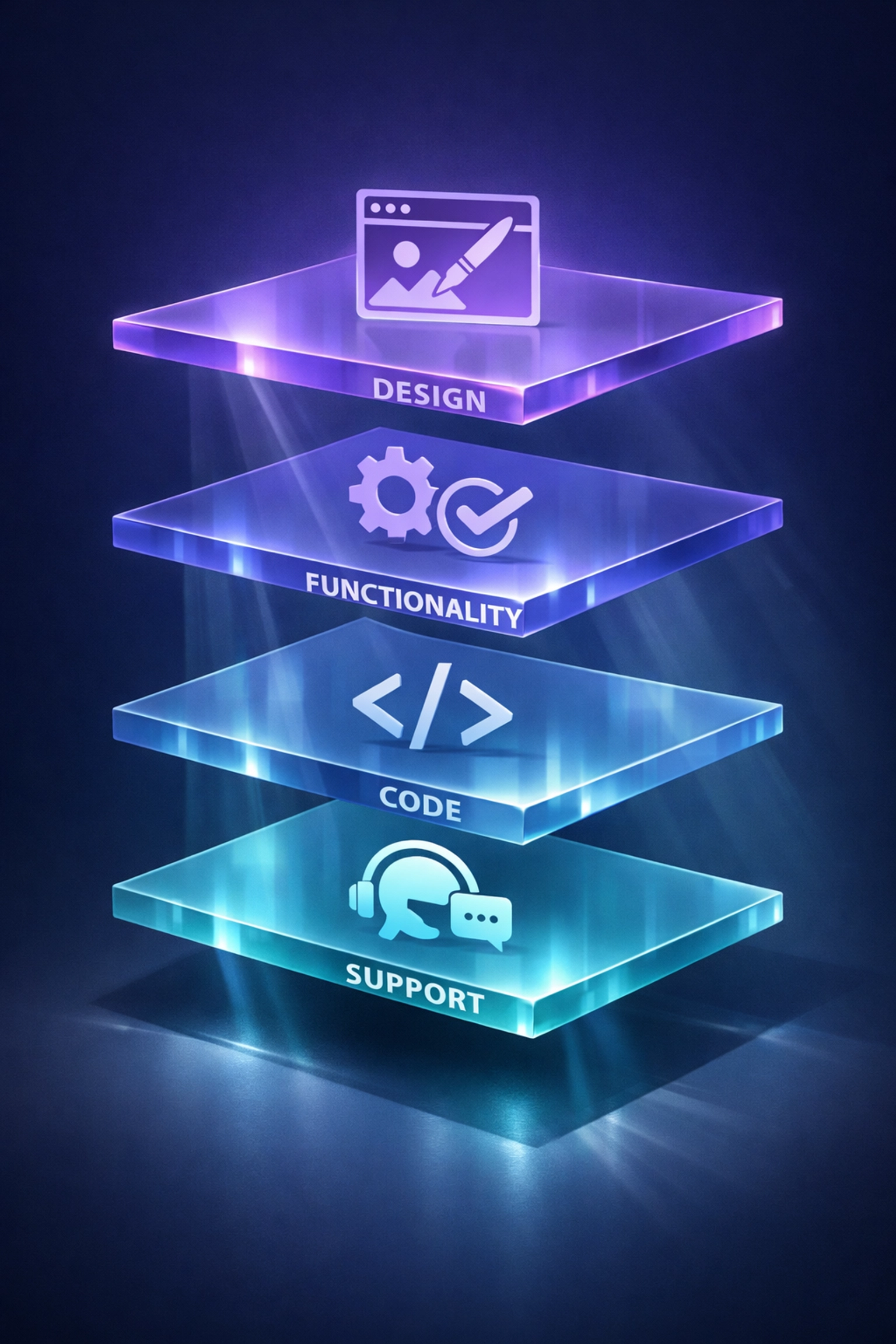
Design complexity matters. A template costs less than custom design. Custom design costs less than bespoke branding that includes logo work, color systems, and typography choices.
Functionality matters even more. A brochure site with five pages costs less than an e-commerce platform that needs payment processing, inventory management, customer accounts, and shipping integrations.
Who builds it changes everything. DIY platforms charge monthly fees but require your time and limit what’s possible. Freelancers offer flexibility but variable quality. A professional web design agency brings consistency, process, and proper support: at a higher upfront cost.
Then there’s the work you can’t see. Proper SEO setup. Performance optimization. Mobile responsiveness. Security implementation. Accessibility standards. These aren’t optional extras. They’re the difference between a website that works and one that doesn’t.
The Real Cost Breakdown
Let’s look at actual numbers for different types of sites in 2026.
DIY Website Builders run £100 to £500 per year. Platforms like Wix or Squarespace make building easy. You get templates, basic features, and hosting included.
The trade-off is control. You’re limited to their features. Customization hits walls quickly. SEO capabilities are basic. And you’re doing all the work yourself: which isn’t free even if it feels that way.
Basic Single Page Sites cost £300 to £400. These work for simple needs. A landing page. A holding page. Something to exist online until you’re ready for more.
Small Business Websites range from £3,000 to £10,000. This is where most UK businesses should focus. You get custom design that fits your brand. Ten to fifteen pages of properly structured content. A content management system so you can make updates. Basic SEO setup. Mobile responsiveness that actually works.
This range represents professional website design that will serve your business properly. Not the cheapest option. Not the most expensive. The effective middle ground.
E-commerce Sites start at £5,000 and climb to £25,000 or more. You’re adding shopping cart functionality. Payment gateway integration. Product management systems. Customer account features. Shipping and tax calculations. Security requirements multiply.
The complexity isn’t just technical. E-commerce needs user experience design that guides buying decisions. Navigation that helps people find products. Checkout flows that don’t lose sales.
Bespoke and Large-Scale Sites run £20,000 to £80,000. These include advanced functionality. Database integration. Custom applications. Client portals. Booking systems. Multi-site setups. You’re solving specific business problems with custom code.
Corporate and Enterprise Sites reach £15,000 to £100,000 and beyond. Multiple language support. Complex user permissions. Integration with existing business systems. Dedicated project management. Extensive testing and documentation.

What You Actually Get at Each Level
Price alone doesn’t tell you enough. What matters is what’s included.
At the lower end: DIY and basic sites: you get online presence. That’s valuable. But you’re missing professional design thinking. Strategic planning. Technical optimization. Proper support when something breaks.
In the small business range (£3,000 to £8,000), you should expect a complete solution. Discovery work that understands your business. Strategic planning around your goals. Custom design that reflects your brand properly. Clean, efficient code. Mobile-first development. Basic SEO implementation. Training on how to use the system. A few rounds of revisions. Proper launch procedures.
This is the minimum for a professional web design agency to deliver quality work. Anything less means corners get cut somewhere.
At higher price points, you’re adding complexity, not just polish. More pages means more content strategy and information architecture. E-commerce needs payment processing, security compliance, and inventory management. Custom functionality requires planning, development, and testing time.
The work expands. The timeline extends. The team grows. The price reflects that reality.
Ongoing Costs That Actually Matter
Launch isn’t the finish line. It’s the starting point. And that means ongoing costs.
Hosting runs £10 to £200 per month depending on your traffic and requirements. Shared hosting is cheapest. Managed hosting costs more but includes maintenance. VPS or dedicated servers scale with your needs.
Domain registration costs £10 to £50 per year. Not much, but it needs renewing.
SSL certificates provide the security layer that makes browsers trust your site. Many hosts include these now. Standalone certificates run £50 to £200 per year.
Maintenance and updates are where most businesses underestimate costs. Software updates. Security patches. Performance monitoring. Backup management. Content updates.
Budget £50 to £500 per month for proper support. The lower end covers basic monitoring and essential updates. The higher end includes active optimization, regular content updates, and priority support.

How to Think About Your Budget
Start with your business size and needs.
Sole traders and freelancers should budget £1,500 to £3,000. This gets you a professional presence without overspending before you’ve grown.
Small businesses with five to twenty employees need £3,000 to £8,000. You have real business needs now. Multiple services to explain. Client work to showcase. Lead generation to optimize. Your website should reflect that maturity.
E-commerce startups need £8,000 to £15,000 minimum. Selling online requires functionality that just costs more to build properly. Underspending here creates problems: slow load times, security vulnerabilities, checkout issues that kill conversions.
Established companies start at £10,000 and scale based on complexity. You have brand standards to maintain. Multiple stakeholder needs to balance. Integration requirements with existing systems. The site should match your company’s sophistication.
The key is thinking about return, not just cost. A £5,000 website that brings in £50,000 in new business is cheap. A £500 website that brings nothing is expensive.
What Affects Your Final Price
Every project is different. Several factors push prices higher or lower.
Content creation adds cost if you need copywriting, photography, or video production. Coming with prepared content saves money.
Custom functionality increases development time. Anything beyond standard features requires planning and coding.
Integration requirements with your CRM, email platform, or booking system add complexity.
Timeline pressure costs more. Rush projects require rearranging schedules and potentially adding team members.
Revision rounds beyond what’s included extend the project. Scope clarity at the start prevents this.
Making the Decision
Website pricing isn’t simple because websites aren’t simple. The variation reflects real differences in what you’re getting.
The cheapest option is rarely the best value. The most expensive option might be overkill. Somewhere in the middle sits the right balance for your business: professional website design that solves your needs without waste.
At JBH Media, we build sites in that practical middle ground. Custom design that works. Clean code that performs. Proper support that keeps your site effective long after launch.
If you’re ready to talk about your specific needs: and get an accurate price for your project: let’s start a conversation.