Website Development Agency Vs DIY Platforms: Which Is Better For Your Growing Business?
Should you build a website yourself, or let a developer handle it?
Website Development Agency Vs DIY Platforms: Which Is Better For Your Growing Business?
You need a website for your business. The question isn’t whether you need one: it’s how you build it.
DIY platforms promise simplicity. Agencies promise results. Both cost money. Both take time. The difference shows up later.
We build websites that grow with businesses. That means we see what happens when companies choose the wrong path. This guide walks you through the decision properly.
When DIY Platforms Actually Work
DIY platforms have a place. They work best for specific situations: not all of them.
You pay £20–50 per month. No upfront fees. No contracts. You can launch in hours if you know what you’re doing. The platform handles hosting, security updates, and maintenance automatically.
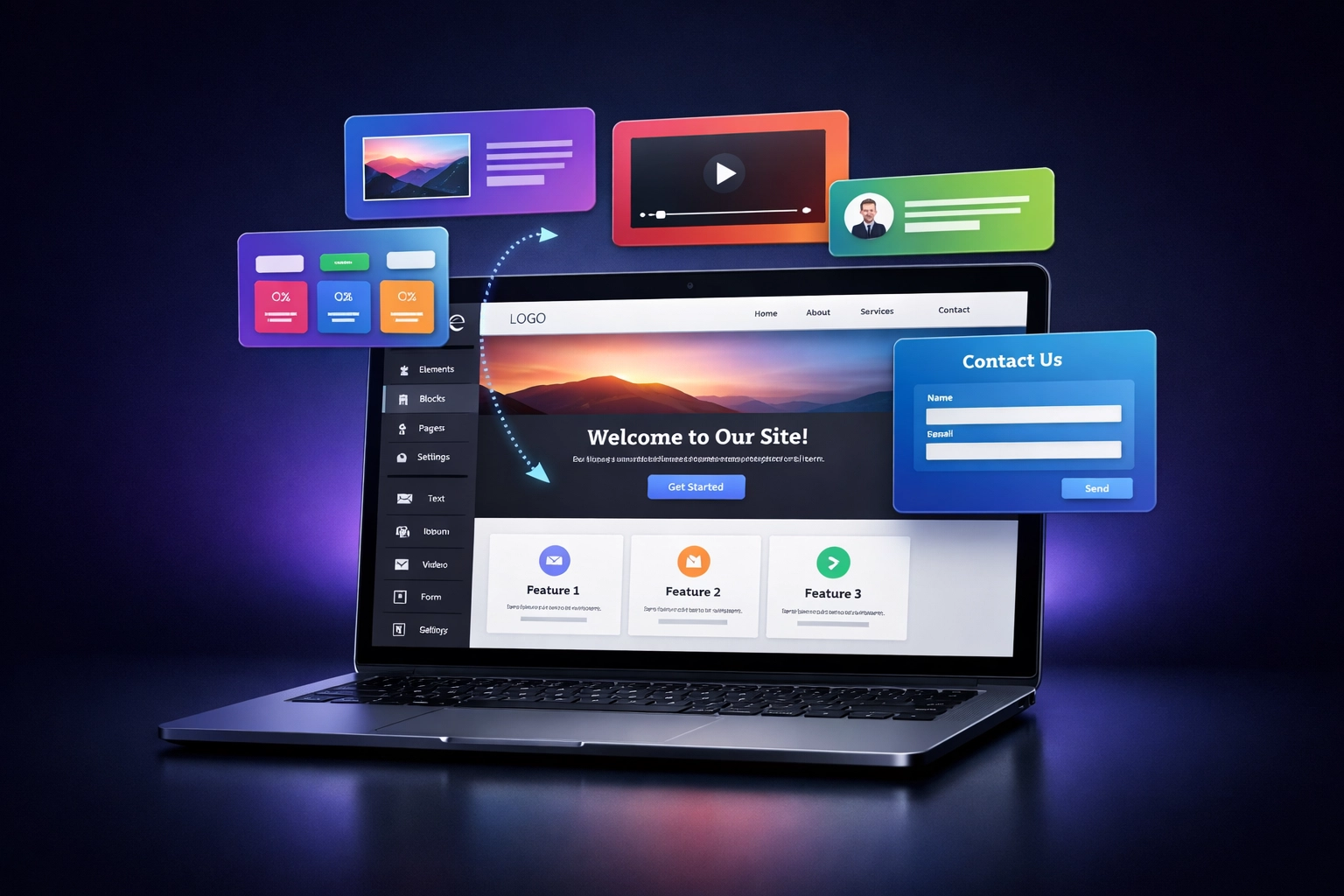
Local service businesses often do fine with DIY. Coffee shops. Hairdressers. Personal trainers. These businesses need basic information online: opening hours, location, contact details. A template handles that.
Startups testing ideas benefit from DIY speed. You need to validate your concept before investing heavily. A simple site lets you collect emails and gauge interest without major commitment.
The tools themselves improve every year. Drag-and-drop editors work smoothly. Templates look decent out of the box. You maintain full control over updates and changes.
Where DIY Platforms Fall Short
The limitations appear as you grow. They’re not obvious at first: that’s the problem.
Customization hits a wall fast. You can change colors and swap images. You cannot rebuild the checkout flow. You cannot integrate complex tools your business needs. You cannot add custom functionality that sets you apart.
Design quality matters more than you think. Without design training, sites look amateur. Small details signal unprofessionalism to visitors. Layout mistakes reduce conversion rates. You don’t know what you don’t know.
SEO requires expertise. DIY platforms provide basic SEO fields. They don’t tell you what to put in them. Poor SEO setup means fewer visitors. Fewer visitors means fewer customers. The cost compounds over time.
Technical problems have no backup. Something breaks at 9pm on Friday. You’re on your own. Support teams answer generic questions: they don’t fix your specific issue. Your site stays broken until you figure it out.
Growing businesses need more. They need proper site structure. They need speed optimization. They need tracking that actually works. DIY platforms make these things difficult or impossible.
What Agencies Bring to Growing Businesses
Agencies cost more upfront. The investment ranges from £500 to £10,000+ depending on complexity. The value shows up differently.
Strategic planning comes first. We map user journeys before designing anything. We identify conversion points. We structure content for both users and search engines. This foundation matters more than aesthetics.
Professional design affects trust. B2B buyers judge credibility within seconds. A well-designed site signals stability and competence. Poor design signals risk. The difference directly impacts your close rate.
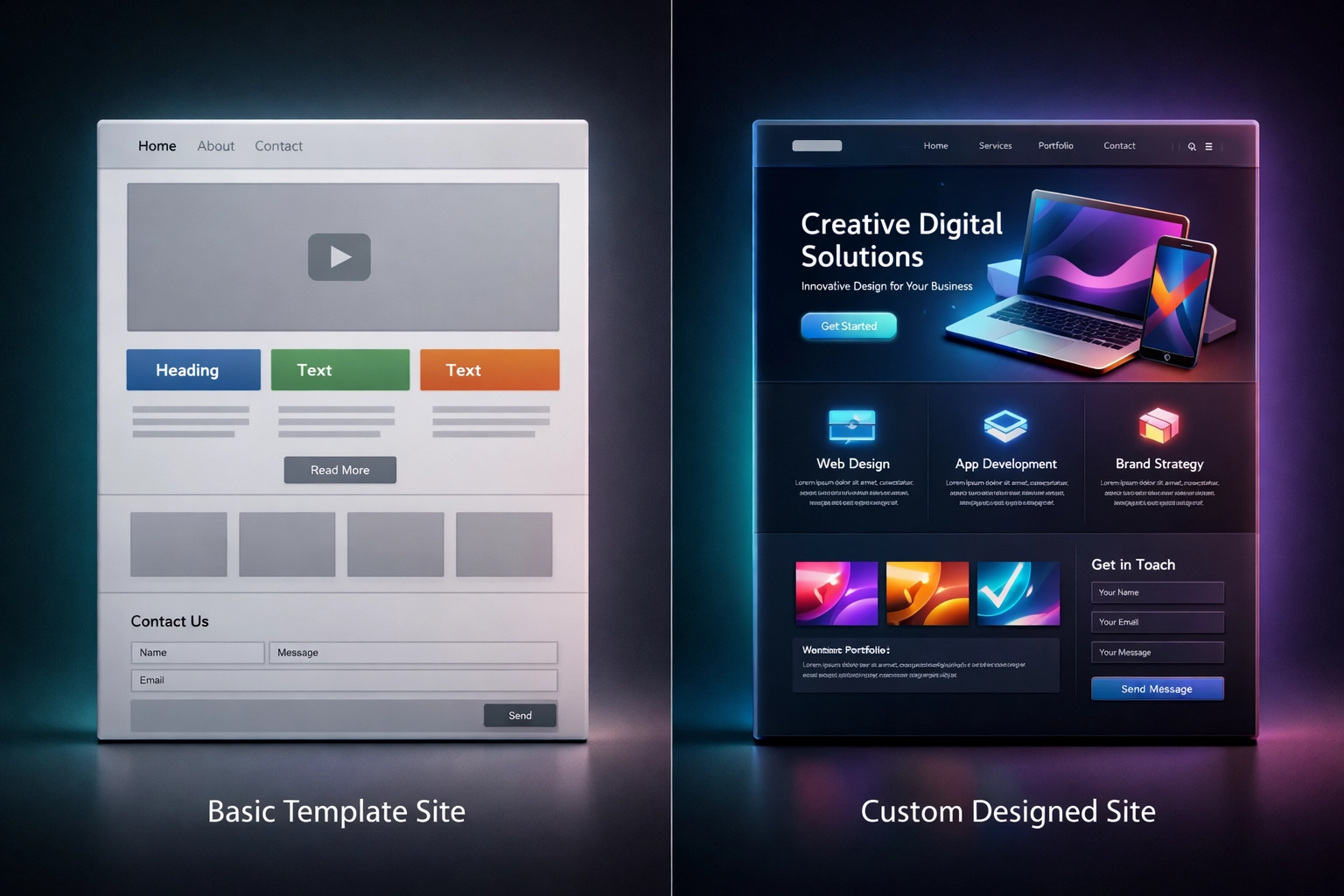
Technical execution prevents problems. We set up proper hosting. We optimize images automatically. We implement caching correctly. We configure security properly. These details protect your business and your reputation.
SEO setup happens correctly from day one. We research keywords your customers actually use. We structure content to rank for those terms. We implement technical SEO that DIY platforms miss. Organic traffic builds over time: but only if the foundation is solid.
Ongoing support solves problems fast. Something breaks. We fix it. You need a new feature. We build it. Your business changes direction. We adapt the site. You focus on running your business: not troubleshooting website issues.
The Real Cost Comparison
DIY platforms look cheaper on paper. The total cost tells a different story.
A DIY site costs £240–600 annually for the platform. Add 20–40 hours of your time to build it. Add ongoing time for updates and fixes. Add lost customers from poor UX and SEO. The hidden costs add up quickly.
An agency project costs more upfront: let’s say £3,000 for a solid small business site. That includes strategy, design, development, and setup. Ongoing costs depend on your needs. Some businesses need monthly support. Others manage fine with occasional updates.

The ROI question matters most. A properly built site generates more leads. It converts visitors at higher rates. It ranks better in search results. The additional revenue covers the cost within months for most businesses.
What Growing Businesses Actually Need
Growth changes your requirements. The site that worked at launch won’t work at scale.
You need flexibility for new features. Your business adds services. You expand to new markets. You integrate new tools. A properly built site accommodates these changes without rebuilding from scratch.
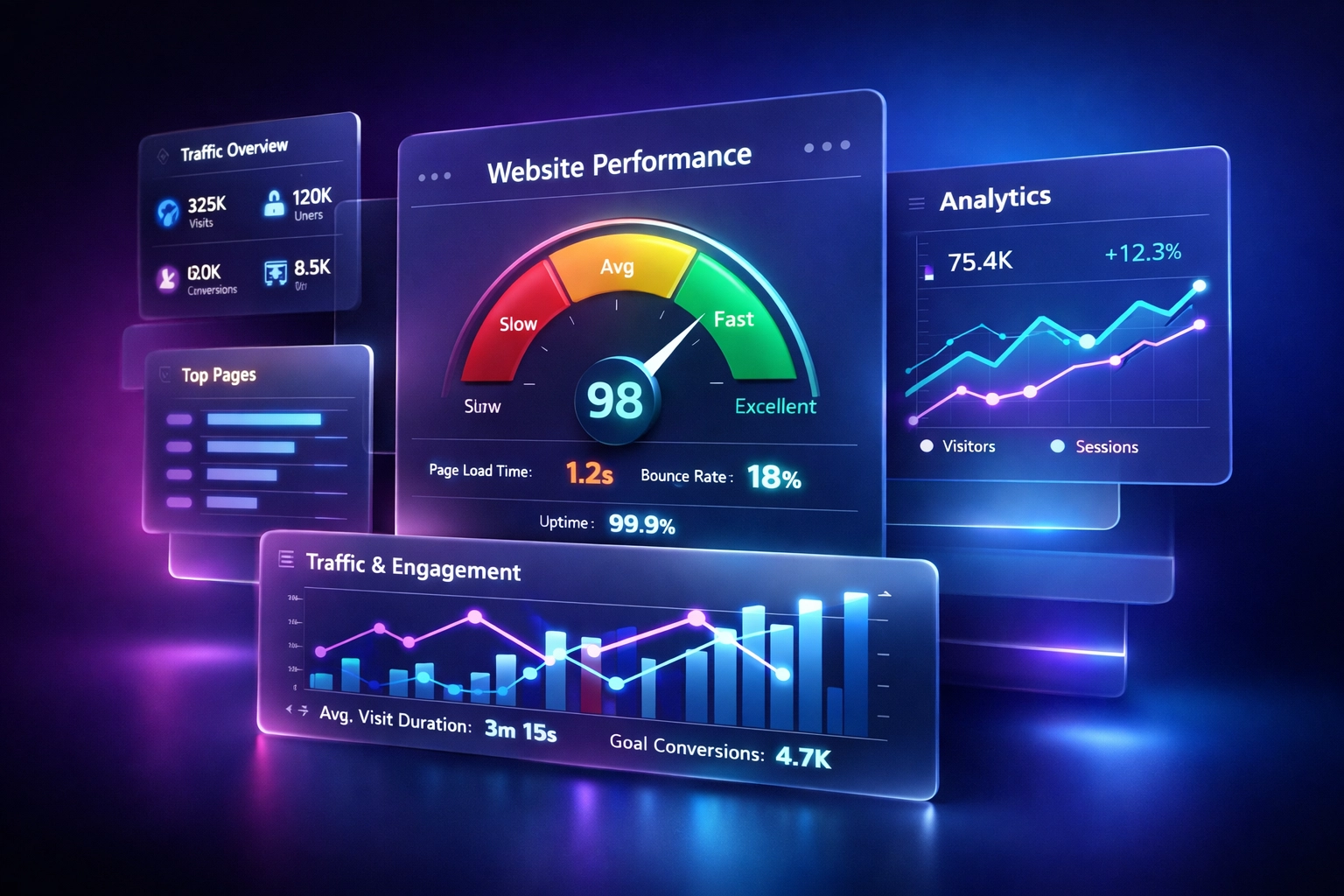
You need performance that handles traffic. DIY platforms slow down under load. Custom development optimizes for speed at any scale. Page speed affects both user experience and search rankings.
You need professional credibility. Established businesses expect professional websites from partners. A DIY site works for sole traders. It undermines credibility for growing companies competing for larger contracts.
You need reliable support when it matters. Website problems don’t follow office hours. Having experts available prevents small issues from becoming business emergencies.
How to Make the Decision
The choice depends on where your business is heading: not where it is today.
Choose DIY if:
- You need something live immediately with minimal budget
- Your business model is simple and unlikely to change
- You have time to learn and maintain the site yourself
- Your industry accepts basic web presence without judgment
- You’re testing an idea before committing resources
Choose an agency if:
- You’re competing for B2B contracts or sophisticated customers
- Your business model requires custom functionality
- You need the site to generate leads and sales actively
- You value your time more than the cost savings
- You plan to grow and need a foundation that scales
Most businesses outgrow DIY platforms within two years. They then face a choice: rebuild properly or continue patching problems. Rebuilding costs more than building right initially.
Making It Work for Your Business
We build sites for businesses that take their web presence seriously. That doesn’t mean every business needs custom development: but growing businesses usually do.
The decision isn’t about budget alone. It’s about trajectory. A business on track to double revenue needs infrastructure that supports that growth. A side project needs something functional and cheap.
Your website represents your business to people who’ve never met you. It either builds confidence or raises questions. That representation matters more as you grow.
Choose based on where you’re going. Not where you are.
We’re here when you’re ready to build properly: get in touch and we’ll talk through what makes sense for your business.